
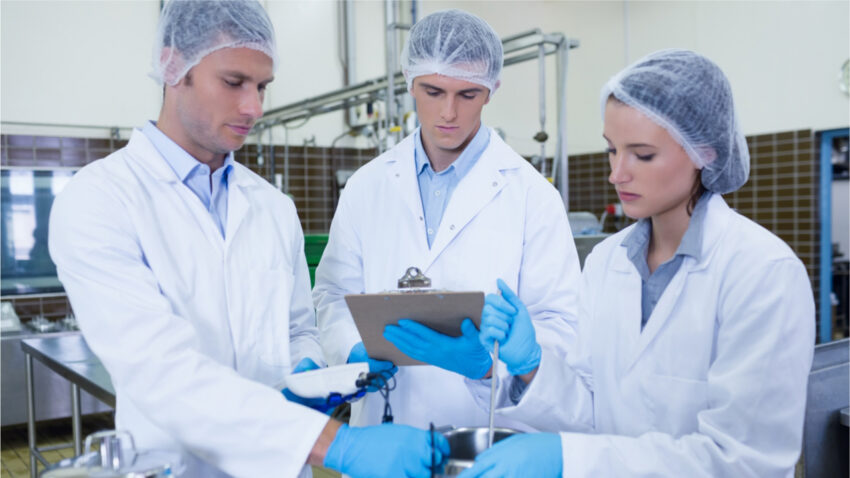
Auditors typically look for patterns, not one-off records. When monitoring is continuous, facilities can spot drift early, fix it fast, and walk into an audit with cleaner documentation.
What does “real-time monitoring” mean in a food safety context?
Real-time monitoring means sensors, software, and alerts track critical conditions as they happen, not hours later on paper. It usually covers cold storage temperatures, cooking and cooling steps, humidity, door activity, and sometimes sanitation checks.
The key difference is immediacy. If a cooler rises above a limit, the system can notify staff right away and log the event automatically, creating a clear audit trail for food safety audits.
Why do auditors care about monitoring data more than manual logs?
Auditors care because monitoring data reduces gaps, bias, and “backfilled” records. Automated, time-stamped logs show whether controls were maintained continuously, including nights, weekends, and busy periods.
Manual logs can still be acceptable, but they are easier to miss and harder to verify. Monitoring data also makes it simpler to demonstrate trend analysis, corrective actions, and preventive maintenance decisions.
Which audit standards benefit most from real-time monitoring?
Any program that requires control of hazards benefits, but it is especially helpful for HACCP-based plans and GFSI-benchmarked schemes. These frameworks expect evidence that critical limits were met and that deviations were handled effectively.
Real-time monitoring supports those expectations by linking each deviation to an alert, an investigation note, and a corrective action record. That linkage is often what turns an audit from stressful to routine.
What should they monitor first to reduce audit risk quickly?
They should start with the most audit-sensitive, high-impact points: refrigeration and freezer temperatures, hot holding, cooking, cooling, and receiving checks. These are frequent sources of nonconformities because they tie directly to pathogen growth controls. Learn more about “Understanding Food-Borne Pathogens”.
A simple rule works well: monitor what would trigger a product hold or disposal first. Then expand into supporting areas like humidity, door-open time, and calibration schedules.
How does real-time monitoring strengthen corrective action and preventive action (CAPA)?
It strengthens CAPA by capturing the full story of a deviation: when it started, how severe it was, who was alerted, and when it was resolved. That timeline helps teams prove they contained risk, assessed product impact, and prevented recurrence.
It also enables better root-cause work. For example, repeated temperature spikes at the same time each day can point to defrost cycles, loading practices, or failing gaskets, not random chance.
How should they organize monitoring records so an auditor can follow them?
They should keep records searchable by asset, location, and date, with clear links between monitoring graphs, alerts, and corrective actions. Auditors move faster when they can trace one event from deviation to resolution without hunting across folders.
A practical approach is to standardize naming for equipment, assign each sensor to a unique asset ID, and store calibration certificates alongside the monitoring history. Consistency matters more than fancy dashboards.

What role do alerts and escalation play during audit preparation?
Alerts and escalation show that the facility responds in real time, not after the fact. A well-designed escalation path proves accountability, such as notifying a line supervisor first, then a QA manager if the issue persists.
During audit prep, teams can review alert histories to confirm responses were timely and documented. If alerts are frequent, that is also a signal to adjust processes, equipment maintenance, or thresholds.
How can they use trend reports to prove continuous improvement?
They can use trend reports to show fewer deviations over time, faster response times, and reduced product exposure to unsafe conditions. Auditors often want to see that the facility learns from issues and improves controls.
Trend reports also support management review. When leadership can see recurring patterns, they can justify investments in equipment repair, staffing changes, or updated SOPs with clear data.
What common mistakes make monitoring systems fail an audit?
A common mistake is treating monitoring as “set and forget,” then discovering dead batteries, disconnected probes, or missing data during the audit. Another is poor calibration control, where sensors are installed but not verified against a traceable standard.
Facilities also run into trouble when they lack documented procedures for responding to alarms. If the system detects problems but the team cannot show a defined response process, the audit value drops sharply. You may like to visit https://webstartsshoppingcart.com/food-danger-zone-explained-protecting-customers-from-contamination/ to get more about “Food Danger Zone Explained: Protecting Customers From Contamination”.
What should they do in the final two weeks before an audit?
They should run a focused “audit rehearsal” using monitoring data: pull random days, verify completeness, and trace at least a few deviations end-to-end. They should also confirm sensor calibration status, alert routing, and user access controls.
Finally, they should prepare a short narrative for auditors: what is monitored, why it matters, how alerts work, and how corrective actions are documented. A clear explanation paired with clean records is often the difference-maker.
FAQs (Frequently Asked Questions)
What is real-time monitoring in food safety audits and why is it important?
Real-time monitoring in food safety audits involves using sensors, software, and alerts to track critical conditions such as temperatures, humidity, and sanitation as they happen. This immediacy allows facilities to detect deviations instantly, notify staff promptly, and create automatic time-stamped records that provide clear audit trails, enhancing control proof during audits.
Why do auditors prefer automated monitoring data over manual logs?
Auditors favor automated monitoring data because it minimizes gaps, bias, and backfilled records by providing continuous, time-stamped evidence of control maintenance—even during nights and busy periods. This data simplifies trend analysis, corrective actions documentation, and preventive maintenance decisions compared to manual logs which can be incomplete or unverifiable.
Which food safety audit standards benefit most from implementing real-time monitoring systems?
Real-time monitoring is especially beneficial for HACCP-based plans and GFSI-benchmarked schemes, as these frameworks require evidence that critical limits are consistently met and deviations effectively managed. The system’s ability to link alerts with investigations and corrective actions helps meet these stringent audit expectations efficiently.
What are the priority areas to monitor first to reduce audit risks quickly?
Facilities should prioritize monitoring high-impact points prone to nonconformities such as refrigeration and freezer temperatures, hot holding, cooking, cooling processes, and receiving checks. These areas directly influence pathogen growth controls. Starting with points that could trigger product holds or disposal ensures rapid risk reduction before expanding to supporting factors like humidity or door-open times.
How does real-time monitoring enhance corrective action and preventive action (CAPA) processes?
Real-time monitoring captures comprehensive deviation details including onset time, severity, alert notifications, and resolution timing. This detailed timeline enables teams to demonstrate effective risk containment and prevention of recurrence. Additionally, trend data helps identify root causes—like repeated temperature spikes linked to equipment cycles—facilitating targeted improvements.
What best practices should facilities follow to organize monitoring records for smooth audits?
Facilities should keep records searchable by asset name, location, and date with clear connections between monitoring graphs, alerts, and corrective actions. Standardizing equipment naming conventions and assigning unique sensor IDs improve traceability. Storing calibration certificates alongside monitoring histories ensures consistency—a key factor auditors look for beyond just having advanced dashboards.